Working Hrs: 9:00 AM - 6.00 PM


Working Hrs: 9:00 AM - 6.00 PM
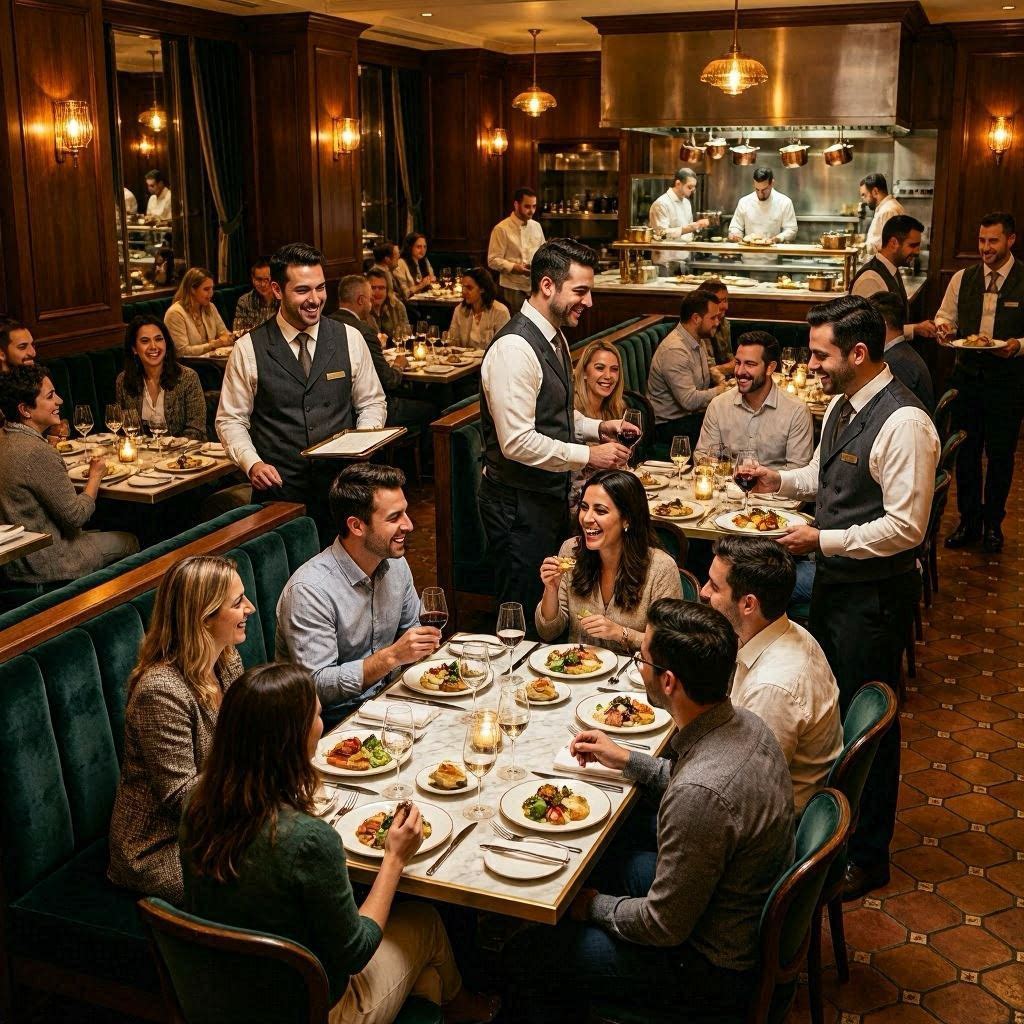
Have you ever wondered why some restaurants always seem busy while others struggle to fill tables, even when they serve similar food?
The answer often goes beyond the menu. Fully booked restaurants understand the psychology behind customer behavior. They create experiences, perceptions, and emotional connections that encourage guests to choose them repeatedly.
While great food is important, successful restaurants know that customer decisions are influenced by much more than taste alone.
Below are the key psychological factors that help restaurants stay fully booked and consistently in demand.
Social Proof Creates Trust
People naturally trust places that others already enjoy.
When guests see a restaurant filled with diners, positive reviews, and strong recommendations, they assume the experience will be worth trying.
Successful restaurants build social proof through:
Positive online reviews
Customer testimonials
Word-of-mouth recommendations
User-generated content
👉 People are more likely to choose a restaurant that others have already validated.
Customers often value experiences that appear exclusive or limited.
Restaurants create scarcity through:
Limited seating
Exclusive menus
Seasonal dishes
Special event nights
When availability feels limited, guests are more likely to book quickly.
What feels difficult to get often becomes more desirable.
Guests begin forming opinions long before they taste the food.
Key first impression factors include:
Exterior appearance
Restaurant signage
Cleanliness
Staff appearance
Entrance atmosphere
A strong first impression creates confidence and excitement.
Customers decide how they feel about a restaurant within seconds of arrival.
Fully booked restaurants carefully design menus to guide customer choices.
Effective menu strategies include:
Highlighting signature dishes
Strategic menu placement
Descriptive food language
Balanced pricing structures
These techniques help guests make decisions more easily while increasing average spending.
A well-designed menu acts as a silent salesperson.
Guests rarely remember every dish they eat, but they remember how they felt.
Successful restaurants focus on:
Personalized service
Warm greetings
Guest recognition
Memorable experiences
Creating emotional connections transforms customers into loyal advocates.
People return to restaurants that make them feel valued.
Today's diners often eat with their eyes first.
Restaurants that invest in:
Beautiful food presentation
Attractive interiors
Good lighting
Instagram-worthy moments
naturally generate free marketing through customer sharing.
Every photo shared by a guest becomes a recommendation to potential customers.
Consistency Builds Confidence
Customers return when they know what to expect.
Fully booked restaurants deliver consistency in:
Food quality
Service standards
Cleanliness
Guest experience
Reliability creates trust and reduces hesitation when choosing where to dine.
Consistency turns first-time visitors into repeat guests.
Many guests are willing to pay more for a better overall experience.
Successful restaurants compete on:
Atmosphere
Service
Convenience
Emotional value
rather than simply offering the lowest prices.
Guests remember exceptional experiences more than discounts.
The most successful restaurants do more than serve food—they understand people.
By leveraging social proof, scarcity, emotional connection, visual appeal, consistency, and memorable experiences, restaurants create demand that goes beyond traditional marketing.
Restaurants that understand customer psychology don't just attract guests—they create loyal customers who return again and again.
The secret behind a fully booked restaurant is not luck. It's understanding what motivates people to choose, trust, and recommend your business.

Expert Restaurant Consulting for
Growth, Profit & Performance



© MRCHEF SUBRA CONSULTANT AND GENERAL TRADING – FZCO . All rights reserved.

Expert Restaurant Consulting for
Growth, Profit & Performance

© MRCHEF SUBRA CONSULTANT AND GENERAL TRADING – FZCO . All rights reserved.
Expert Restaurant Consulting for
Growth, Profit & Performance